
About Kota City
Kota is located 240 kilometres south of Jaipur in Rajasthan. The city is situated on the banks of the Chambal River and is an important trade and industrial centre in northern India. The region is known for agriculture including millet, wheat, rice, pulses, coriander, and oilseeds. Kota is also famous for its fertile land and irrigation canals that support greenery and farming.
✔ Major Industrial Hub in Northern India
✔ Famous for IIT-JEE & Medical Coaching Institutes
✔ Known for Kota Doria Sarees & Kota Stone
✔ Located near Chambal River and Kota Barrage
History of Kota
The history of Kota dates back to the 12th century A.D. when the Hada chieftain Rao Deva conquered the territory and founded Bundi and Hadoti. In the early 17th century, during the Mughal Emperor Jahangir’s reign, the ruler of Bundi Rao Ratan Singh gave Kota to his son Madho Singh.
The independent state of Kota became a reality in 1631 when Rao Madho Singh was made ruler by the Mughal Emperor. Kota later became a hallmark of Rajput gallantry and culture. Maharao Bhim Singh played an important role in Kota’s history.
During the colonial period, social activist Guru Radha Kishan organized movements against government policies and contributed to independence activities.
Chambal River
The Chambal River flows alongside Kota and is a tributary of the Yamuna River. The Kota Barrage, built in 1955, is located here and plays a key role in irrigation and electricity production through thermal power plants.
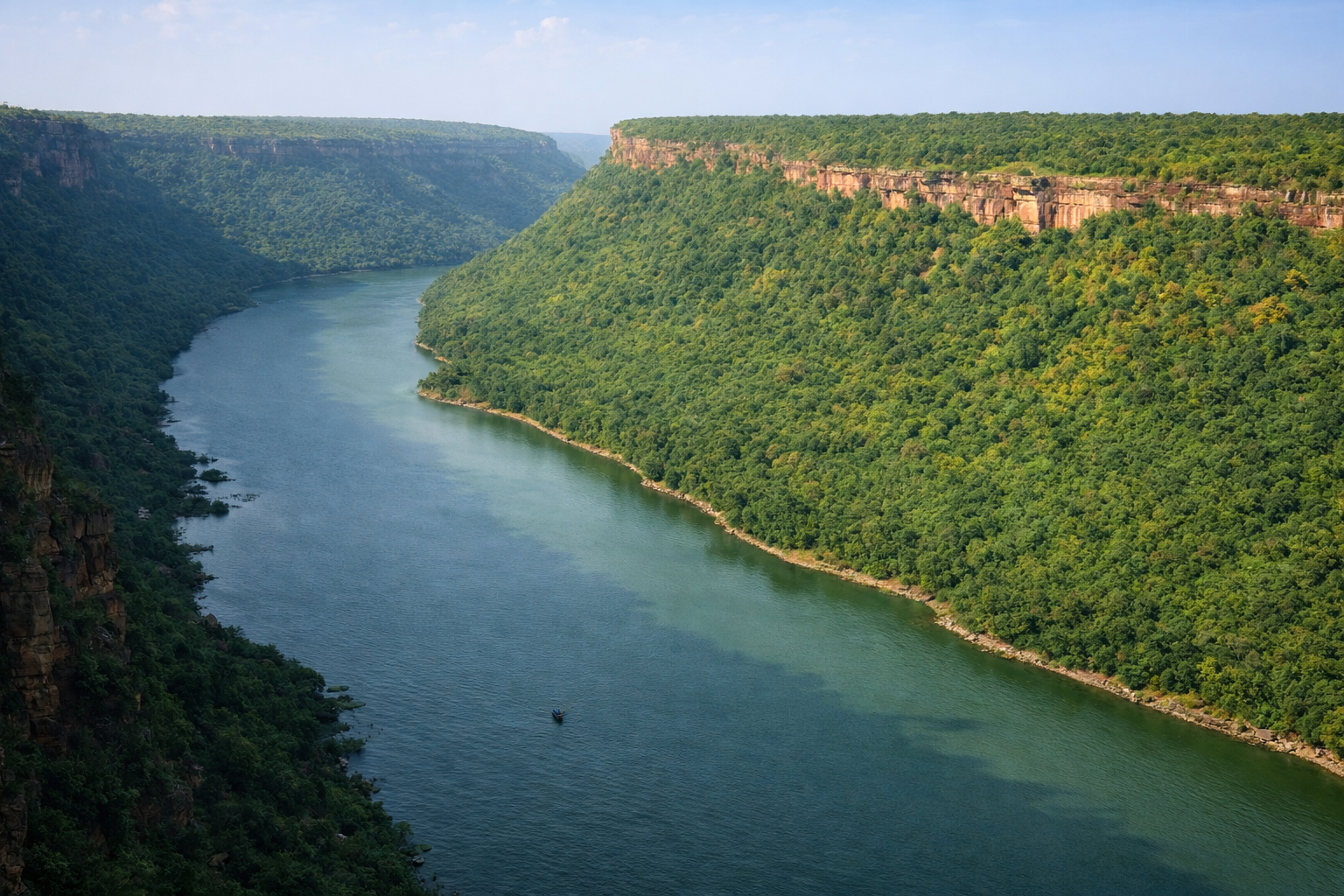
Chambal River
The Chambal River adds beauty to Kota and supports irrigation and water supply systems.
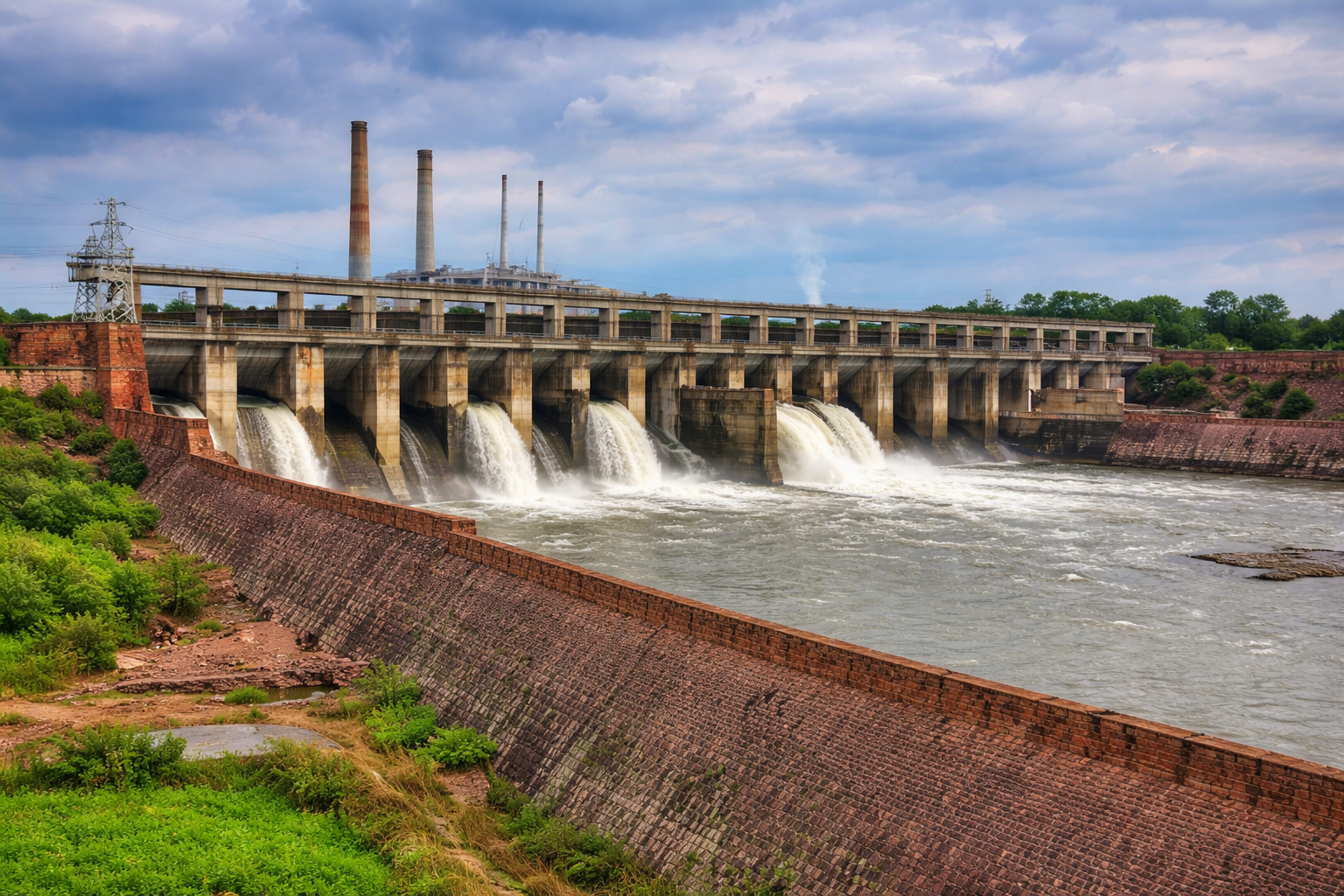
Kota Barrage
Kota Barrage is a major dam built in 1955 and is an important source for irrigation and power generation.
Places of Interest
Kota is home to historical palaces, gardens, picnic spots, museums, and spiritual places. It is also known for its distinctive Kota style of painting and cultural heritage.
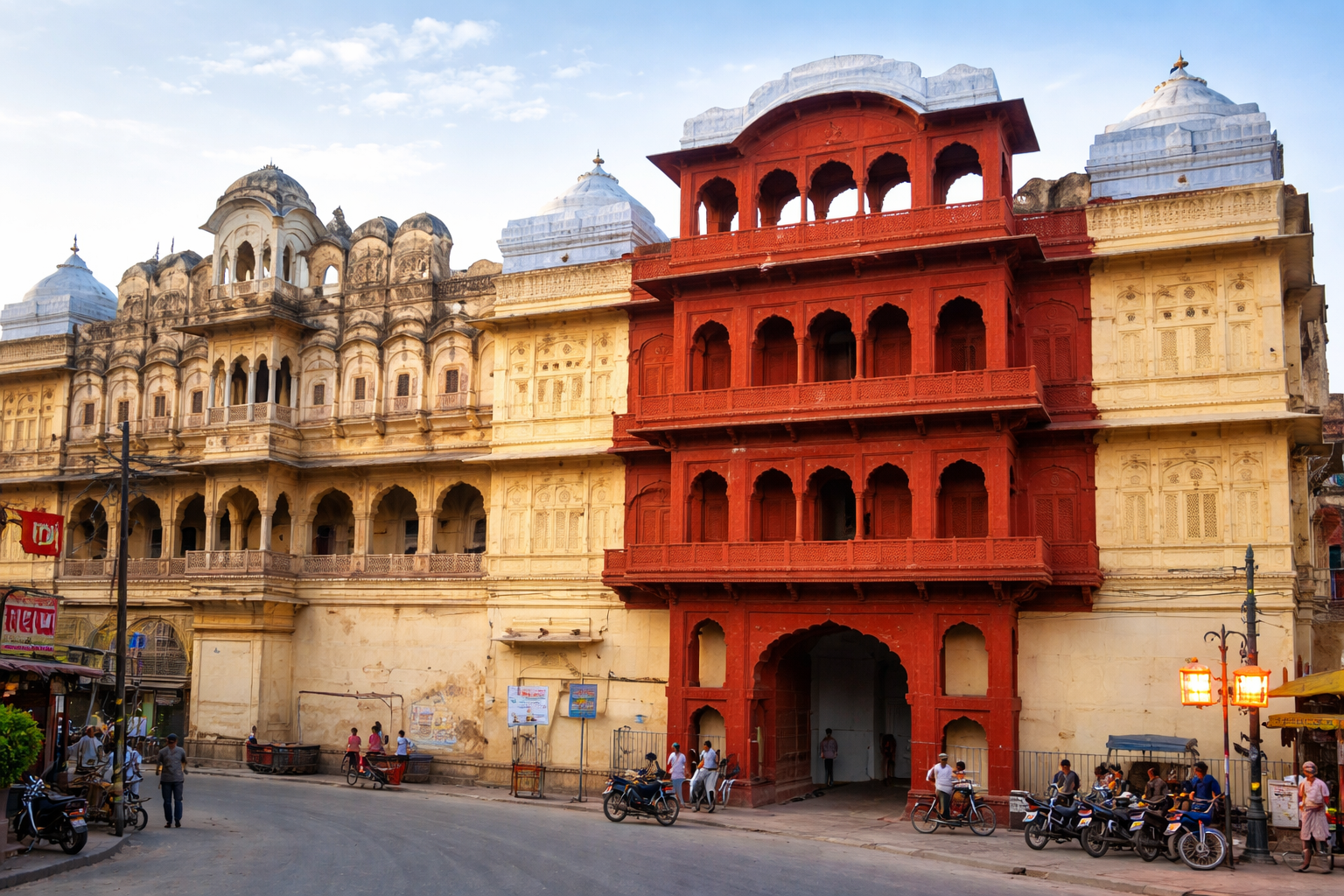
Garh Palace, Kota
The Garh Palace is an architectural beauty and represents Kota’s royal heritage and history.
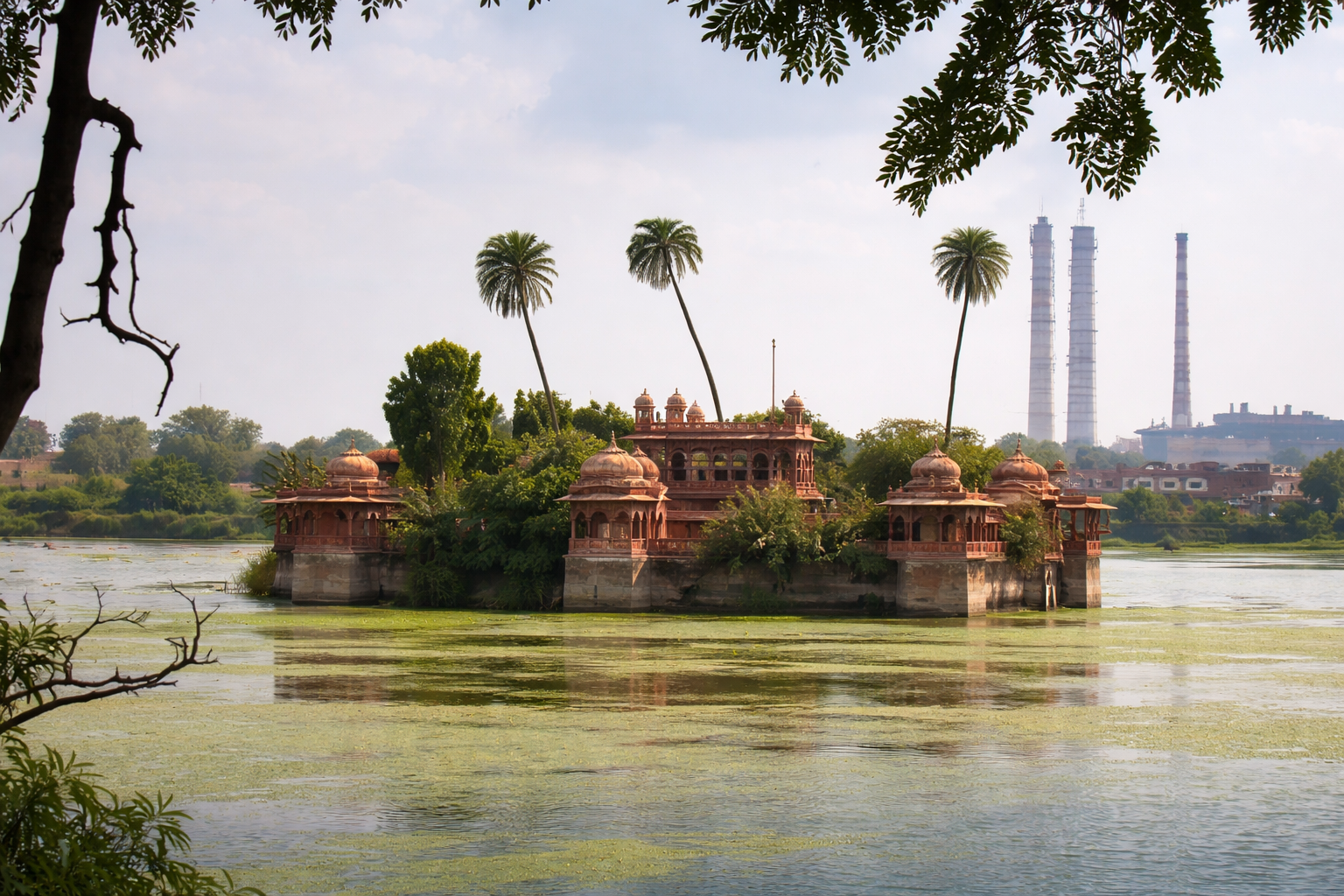
Jag Mahal / Mandir
A famous attraction known for its beautiful structure and religious importance.
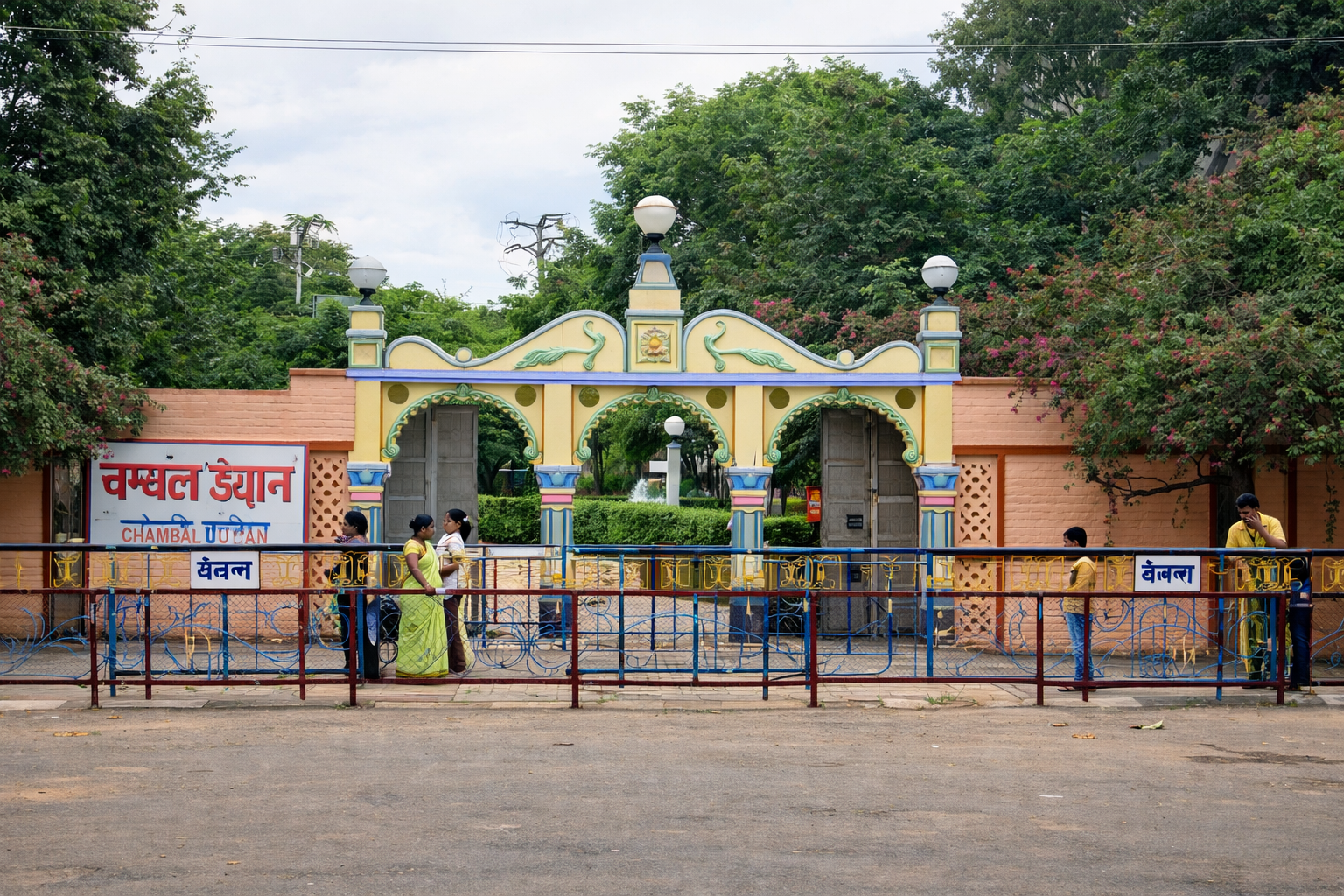
Chambal Garden
A peaceful garden spot along the Chambal River, popular for family visits and relaxation.
- Chambal Garden
- Traffic Park
- Chatra Vilas Udyan
- Keshar Bagh (Royal Cenotaphs Garden)
- Kala Khet (Picnic Spot)
- Gapernath (Picnic Spot)
- Bheetariya Kund (Picnic Spot)
- Darrah National Park (Not yet functional)
- Bhanvarkunj (Chambal Waterfall)
Government Museum & Museums
Kota has two noteworthy museums that preserve the heritage of Rajput culture and Hadoti sculpture. These museums display miniature paintings, sculptures, armoury, manuscripts, and rare coins.
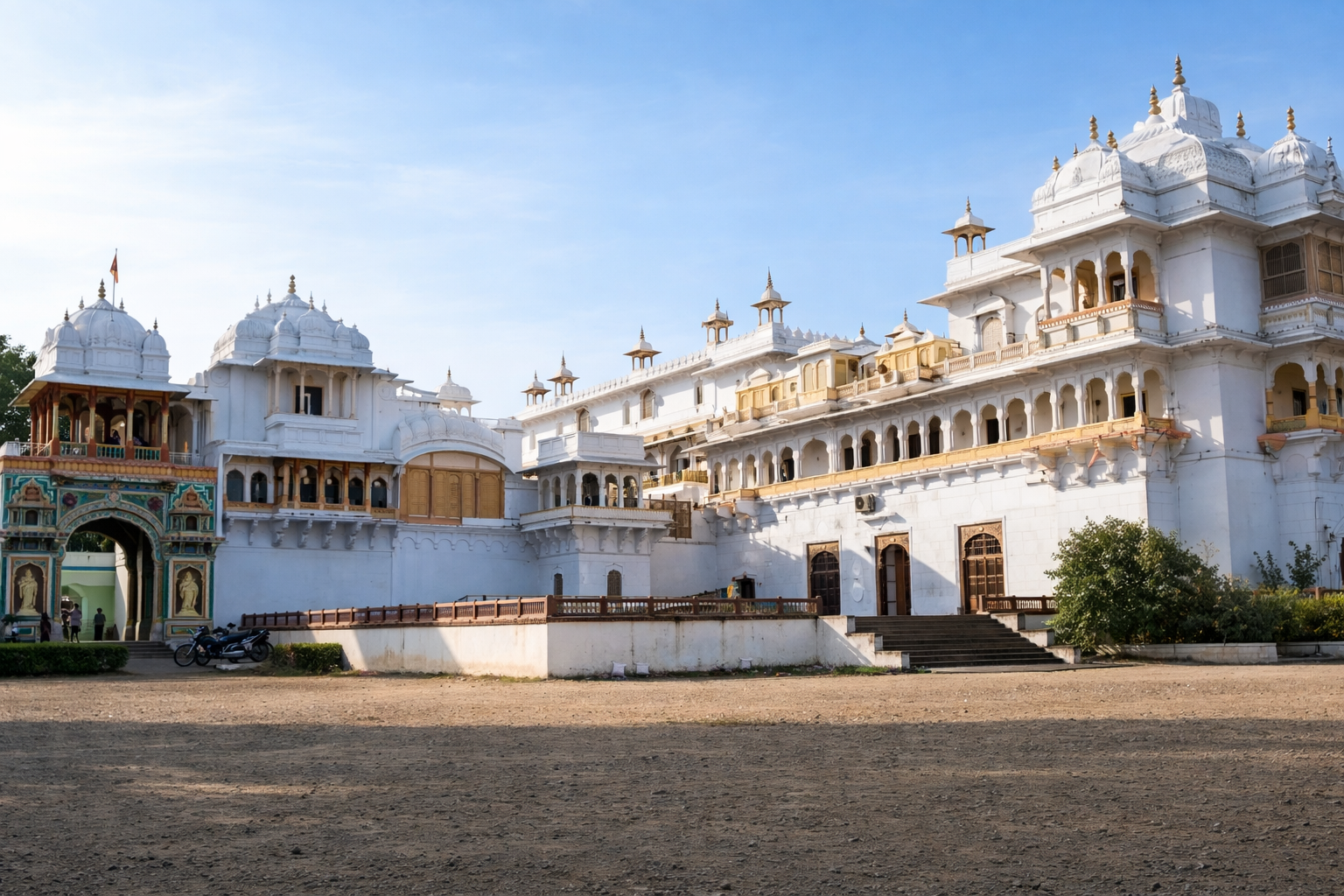
Maharao Madho Singh Museum
Located in the old palace, it has a collection of Rajput miniature paintings, frescoes, sculptures, and armoury.
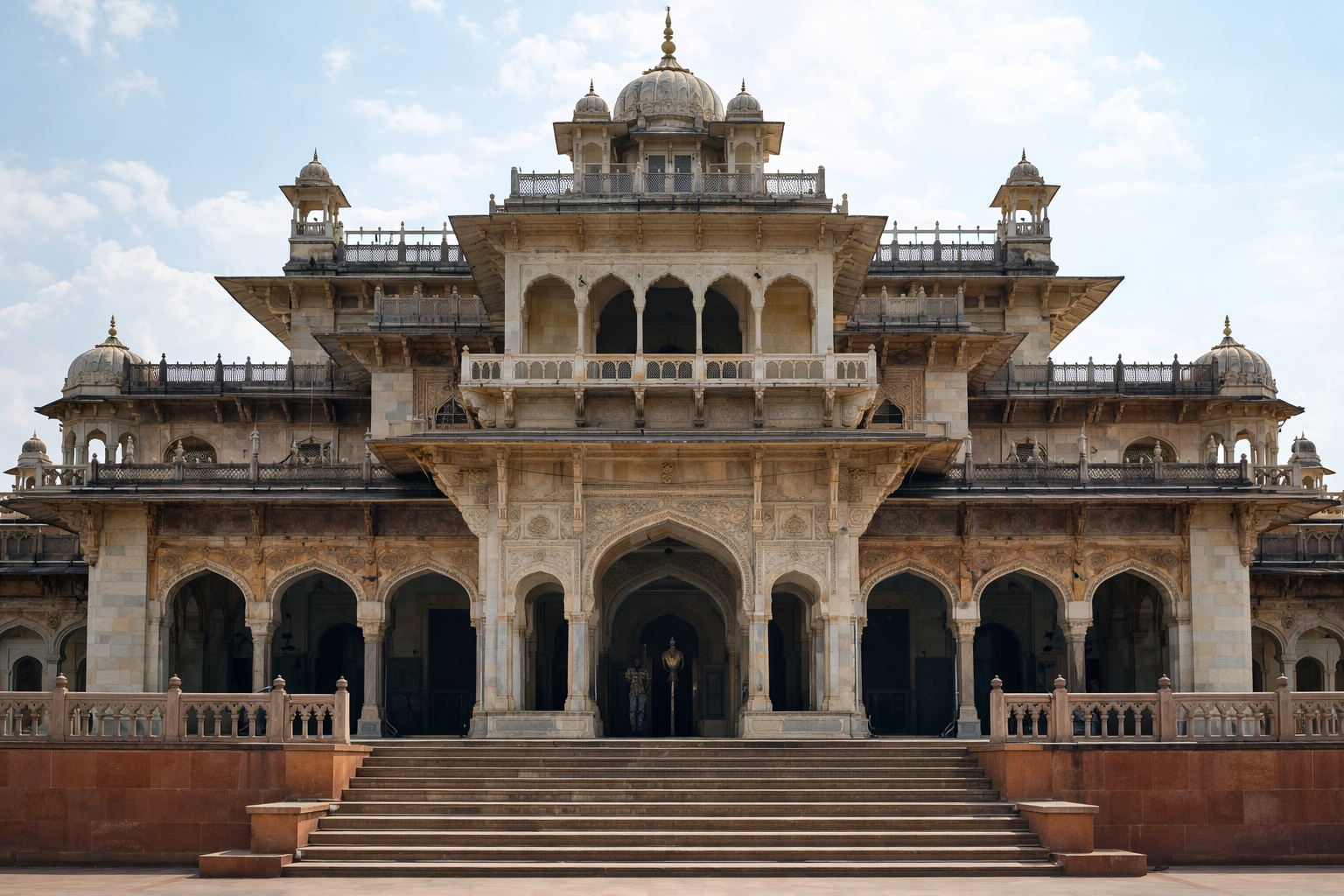
Brijvilas Palace Museum
Located near Kishore Sagar, it displays rare coins, manuscripts, and Hadoti sculpture including Baroli statues.
Economy of Kota
Kota is a trade centre for agricultural products such as cotton, millet, wheat, coriander and oilseeds. The city has industries including cotton and oilseed milling, textile weaving, distilling, dairying, and the manufacturing of metal handcrafts, fertilizers, chemicals, and engineering equipment.
Kota is also well known for Kota Stone, a fine-grained limestone used widely for flooring and wall cladding. It is a popular and affordable alternative to marble.
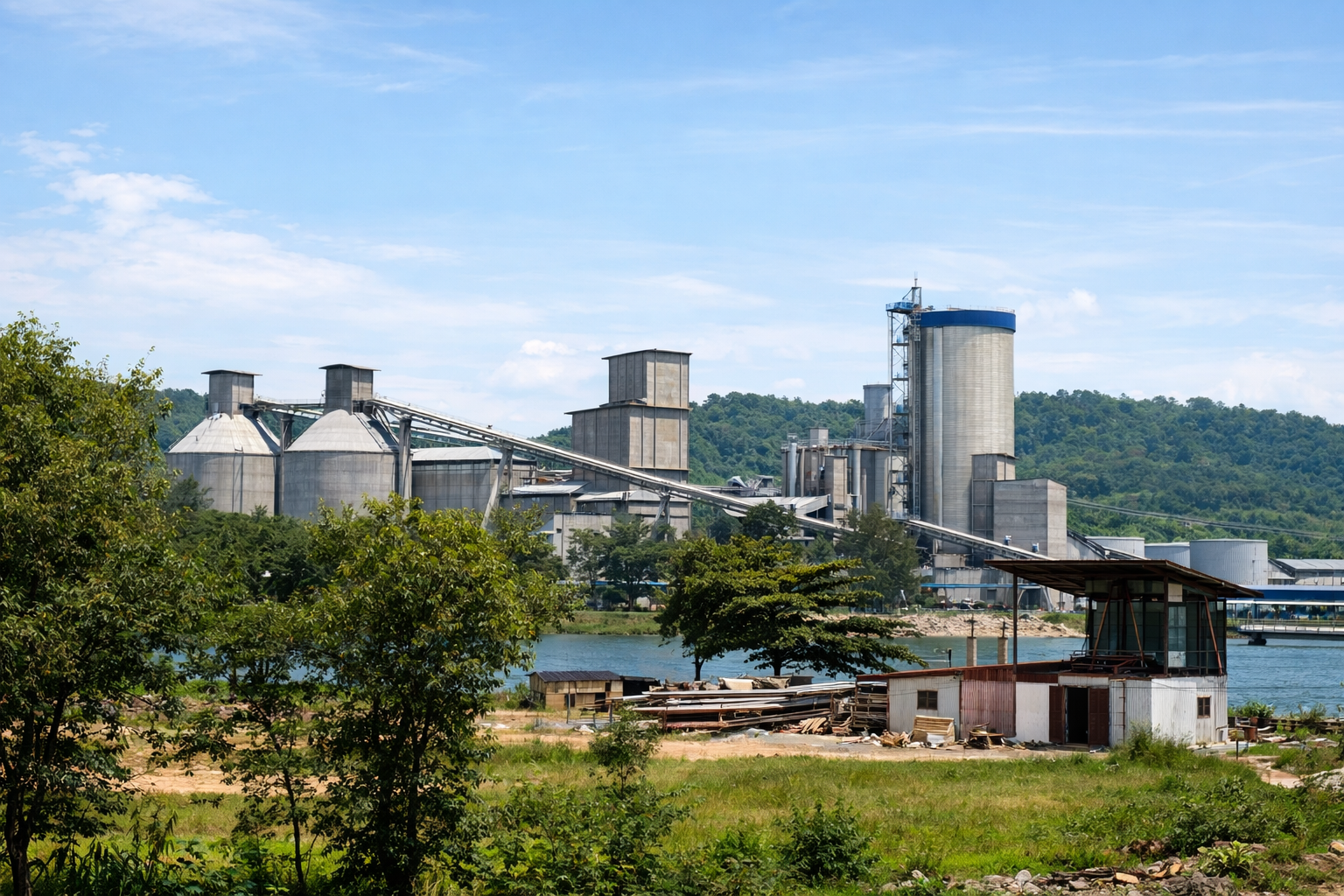
Industrial Hub
Kota has chemical, engineering and power plants and is a major industrial hub in Rajasthan.
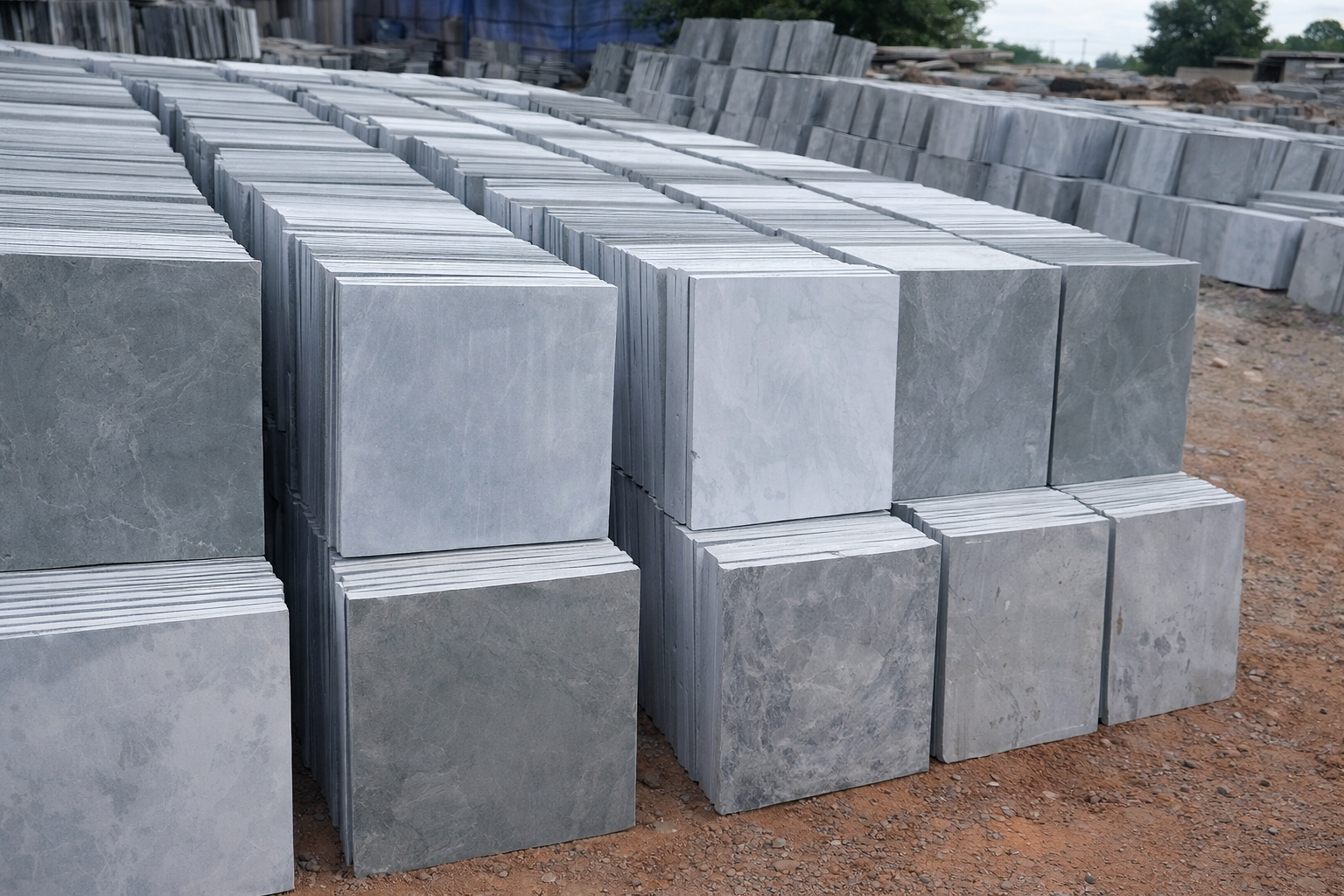
Kota Stone
Kota stone is tough, non-slip, stain resistant and widely used for flooring and construction.
Education Hub
Education is one of the biggest contributors to Kota’s economy. Kota has become a major hub for coaching institutes for Engineering and Medical entrance examinations. Thousands of students from all over India come to Kota to prepare for IIT-JEE and AIPMT (NEET).
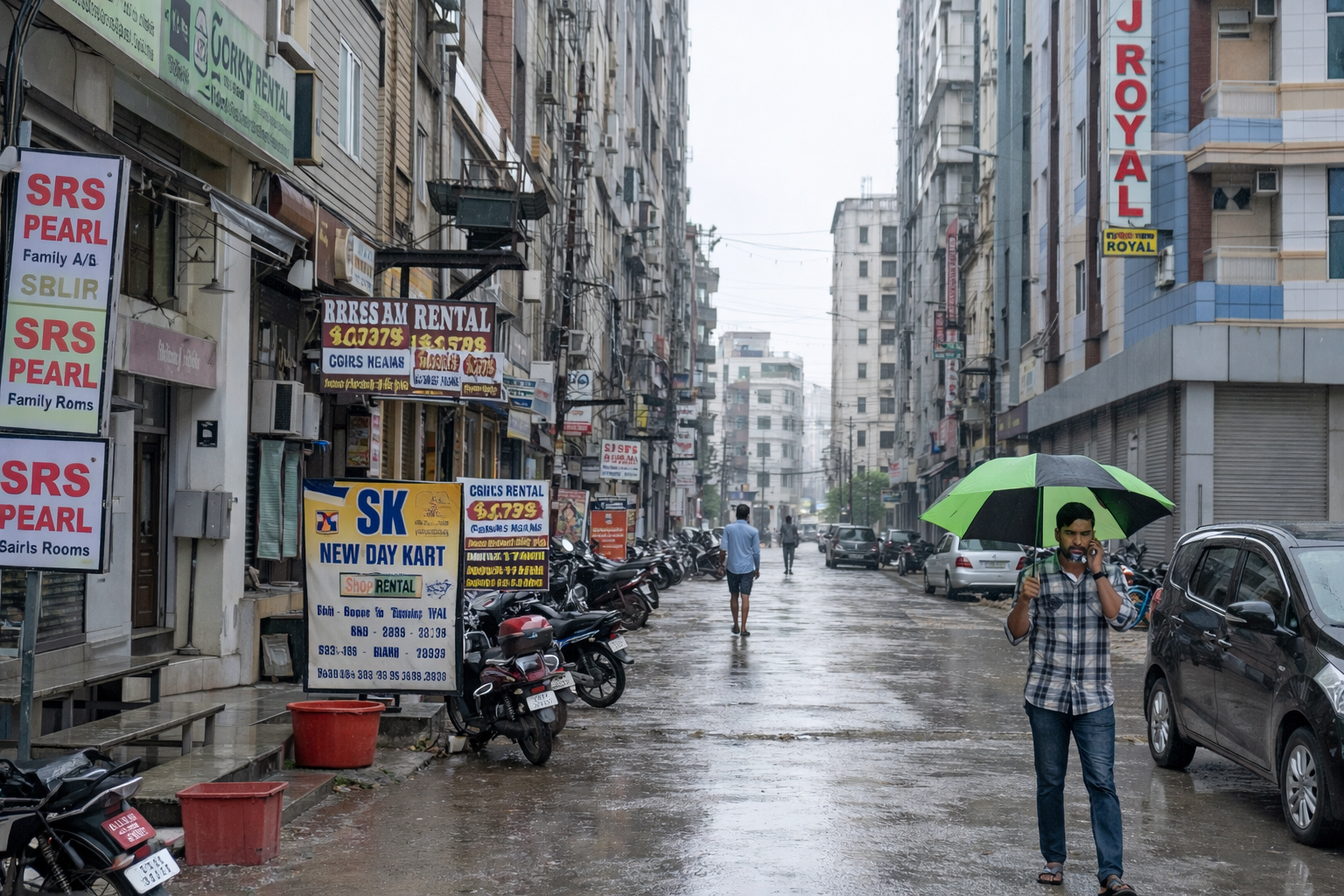
Coaching City
Kota is widely known for pre-engineering, pre-IIT, and pre-medical coaching institutes.
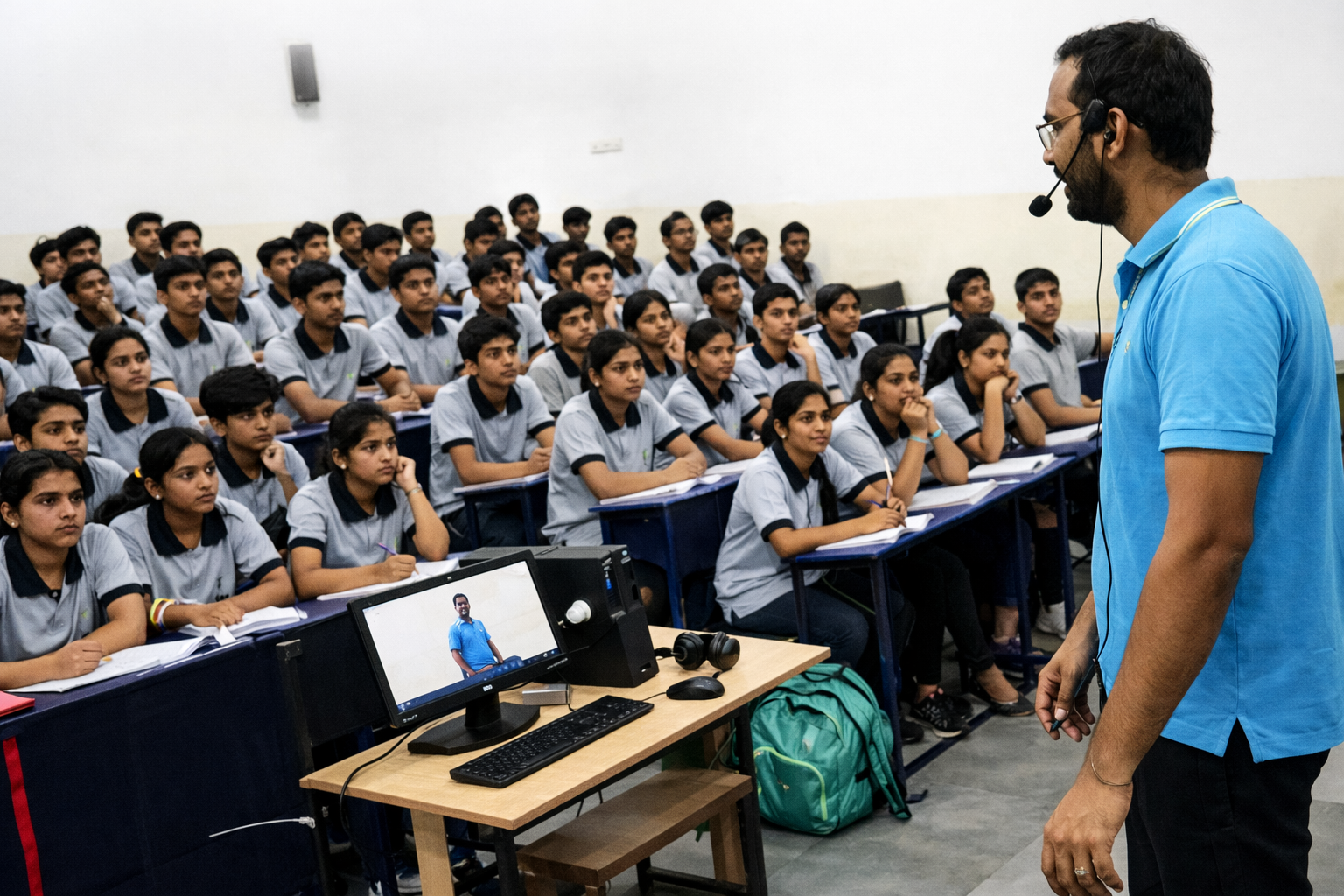
Student Attraction
Students from all over India come to Kota for competitive exam preparation and career development.
Kota Doria
Kota is famous for fine translucent muslins called Kota Doria or Kota-Masuria. These sarees were originally woven in Mysore and later brought to Kota during the late 17th and early 18th centuries. Today, Kota Doria sarees are famous for their light weight, softness, and thread-based weaving pattern.

Kota Doria Sarees
These sarees are well known for their transparent weave style and are popular across India.
Demographics
As per Census 2011, Kota district had a population of 1,950,491. The male population was 1,023,153 and female population was 927,338. Kota recorded an average literacy rate of 77.48%.
- Total Population: 1,950,491
- Male Population: 1,023,153
- Female Population: 927,338
- Literacy Rate: 77.48%
- Sex Ratio: 906 females per 1000 males
- Total Area: 5,213 sq.km
- Population Density: 374
Important Locations
Kota is well connected by rail and road. It is a major rail junction and road hub in Rajasthan. The city is also known for its thermal power station and major industrial units.
- Railway Station Kota
- DCM Sriram
- Shiv Puri Dham
- Godawary Dham
- Kota Barrage
- Kota Thermal Power Station